Beti Bachao Beti Padhao
What is Beti Bachao Beti Padhao?
बेटी बचाओ बेटी पढ़ाओ योजना क्या है
Last reviewed: 11 November 2026
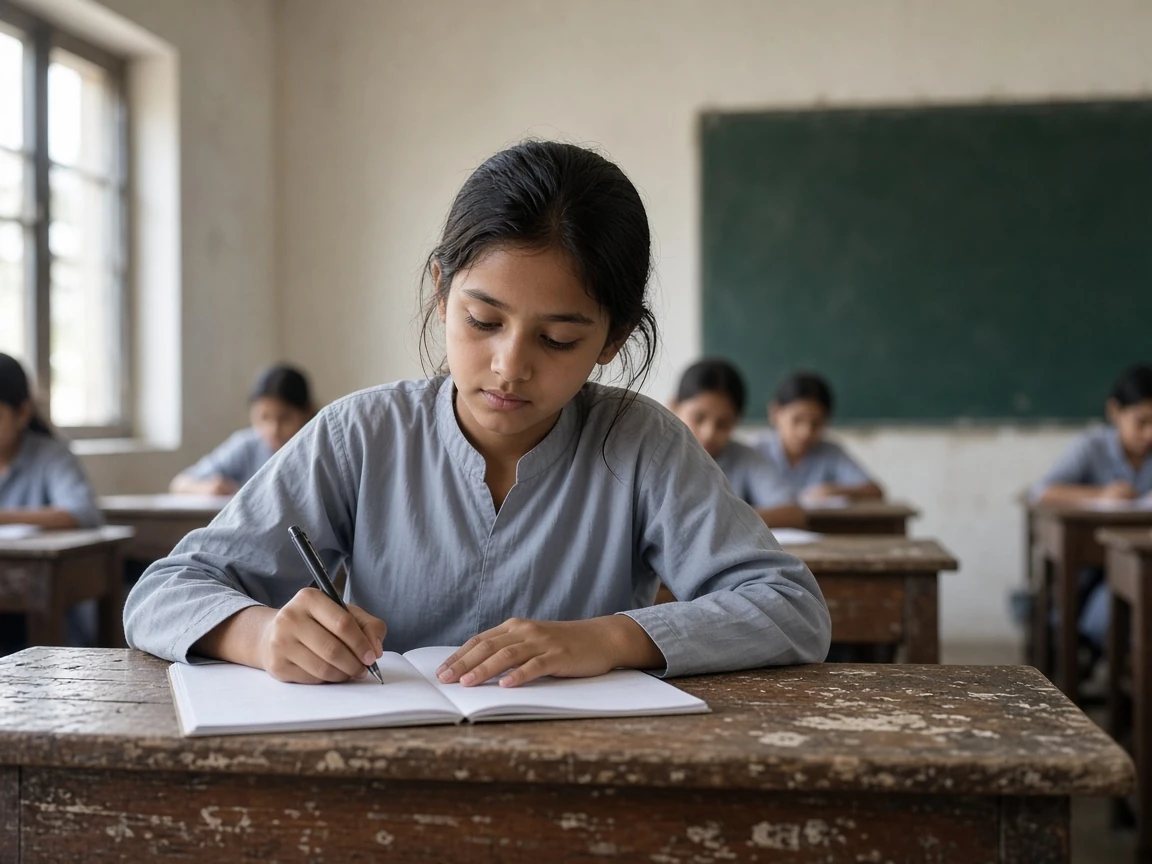
Beti Bachao Beti Padhao is a programme about how a girl is valued, not a payment into a bank account. The Ministry of Women and Child Development describes it as an awareness programme: zero-budget advertising, and activities that have an effect on the ground.
If someone has handed you a form that promises cash for filling it in, stop there. The ministry has said the scheme has no individual cash incentive. That warning, and what to do instead, is on the no-cash-application page.
कब शुरू हुई — 22 January 2015
The May 2019 implementation guidelines record the launch on 22 January 2015 at Panipat, Haryana. The operational manual places the same programme, in the 15th Finance Commission period, as a component of the Sambal sub-scheme of Mission Shakti, implemented across districts through more than one department.
Sukanya Samriddhi Yojana, the small-savings account for a girl, was launched the same day under this campaign. That account is a separate set of rules, with its own deposits and interest. It is explained on the Sukanya Samriddhi page.
Objectives, in the ministry’s words
The FAQ on the ministry’s scheme page states two objectives:
- Prevention of gender-biased sex-selective elimination.
- Survival, protection, education, and development of the girl child.
The same page describes the wider work the programme is associated with: the sex ratio at birth, institutional deliveries, girls’ enrolment at secondary level, girls leaving school, antenatal-care registration, and awareness of safe menstrual hygiene. Those are programme aims. They are not a list of cash benefits for one household.
Who the programme speaks to
The ministry’s FAQ splits the audience in two.
Primary: young and newly married couples and expecting parents; adolescents, girls and boys, and youth; households and communities.
Secondary: schools and anganwadi centres, medical practitioners, hospitals, diagnostic centres, officials, panchayats and urban local bodies, frontline workers, women’s collectives and self-help groups, civil society, the media, industry, and religious leaders.
There is no age cutoff here of the kind the savings account uses. The “girl under 10” rule belongs to Sukanya Samriddhi, not to this awareness programme.
What the programme is not
The ministry’s own FAQ answers “Did the scheme give any Direct benefit?” by saying there is no provision for direct benefit transfer or for creation of capital assets, and it points readers to the notification on fake forms.
That is the whole of the “benefits” question. A page that lists a rupee amount for BBBP is not describing this scheme. The savings account has its own deposit limits — ₹250 to ₹1,50,000 in a financial year — and those limits are not a BBBP payout. See interest and deposits.
Where to read it officially
- Beti Bachao Beti Padhao on wcd.gov.in
- The same scheme on the ministry’s women section
- Operational manual (launch, Mission Shakti, and the statement that it is not a direct benefit transfer)
- Implementation guidelines, May 2019
- Mission Shakti
The ministry page also names an officer. That desk is not repeated here. If you need the ministry, use the page above.
Related pages
There is no cash application for Beti Bachao Beti Padhao
There is no official BBBP form that pays ₹2 lakh or any other cash amount. The ministry destroys fake cash forms without notice.
How a Sukanya Samriddhi account is opened
Open a Sukanya Samriddhi account at a post office or authorised bank. Girl under 10, one account, Form-1 and birth certificate. Checker included.
Frequently asked questions
What is Beti Bachao Beti Padhao?
It is a mindset-change and awareness programme of the Ministry of Women and Child Development. It is meant to value the girl child through work on the ground, not to pay a cash amount to a family.
Beti Bachao Beti Padhao kab shuru hui?
The implementation guidelines record the launch on 22 January 2015 at Panipat, Haryana.
What are the objectives?
The ministry’s FAQ lists two: prevention of gender-biased sex-selective elimination, and survival, protection, education, and development of the girl child.
Is BBBP a direct benefit transfer?
No. The ministry’s FAQ says there is no provision for direct benefit transfer or for creation of capital assets under the scheme.
Yojana me kitna paisa milta hai?
No individual cash amount. Forms that promise money, including amounts such as ₹2 lakh, are the fake activity the ministry has notified. Read the warning page before you fill anything in.
Who is the scheme aimed at?
The primary groups named by the ministry are young and newly married couples, expecting parents, adolescents and youth, and households and communities. Schools, anganwadis, hospitals, and frontline workers are among the secondary groups.